
Bringing daylight to where people live and work.
Increasing urbanisation is forcing urban planners to build more densely and higher. At the same time, the problem of providing daylight for interiors is increasingly coming to the fore. Despite all the innovations in the artificial lighting sector, no electric light can hold a candle to natural daylight.
Daylight directly influences the release of the happiness hormone serotonin and the breakdown of the sleep hormone melatonin. Our well-being, as well as our biological daily rhythm, depends on a sufficient supply of daylight.
The longer we spend indoors, the more our need for daylight is undercut. We perceive typical indoor illuminance levels of 300 - 500 lux as pleasant in order to be able to perform most visual tasks.
But for the stable regulation of our body clock and the associated wake-sleep rhythm, they are too low in most cases. Daylight is much brighter: at dusk the sun still shines with about 3000 lux, at noon with a cloudless sky with about 100 000 lux.
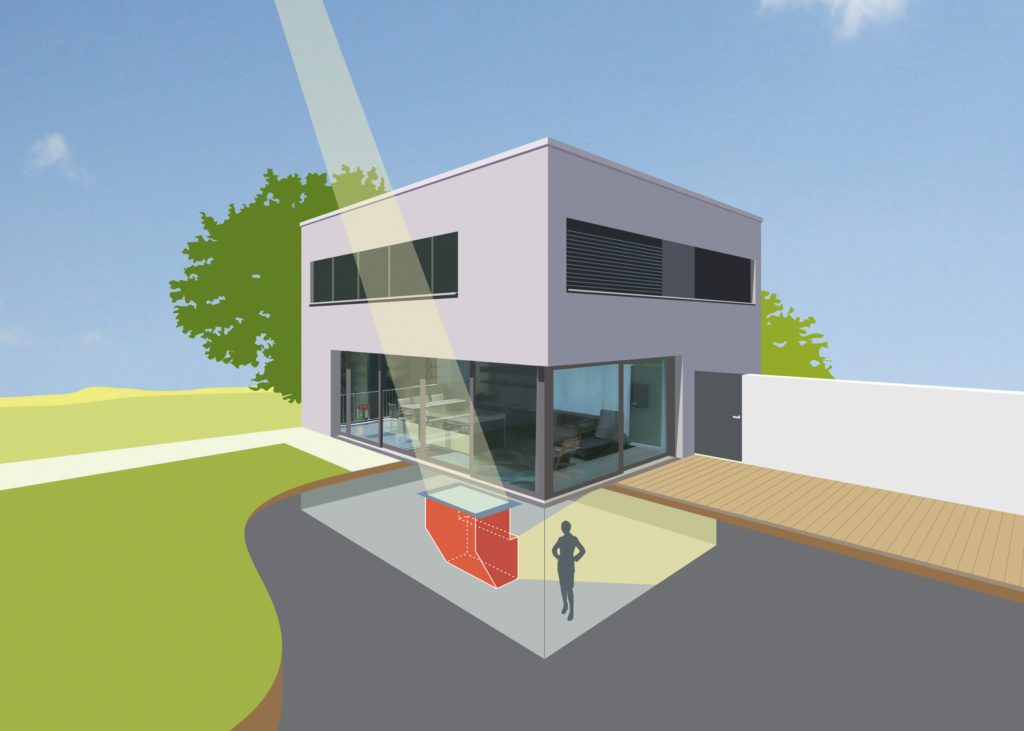
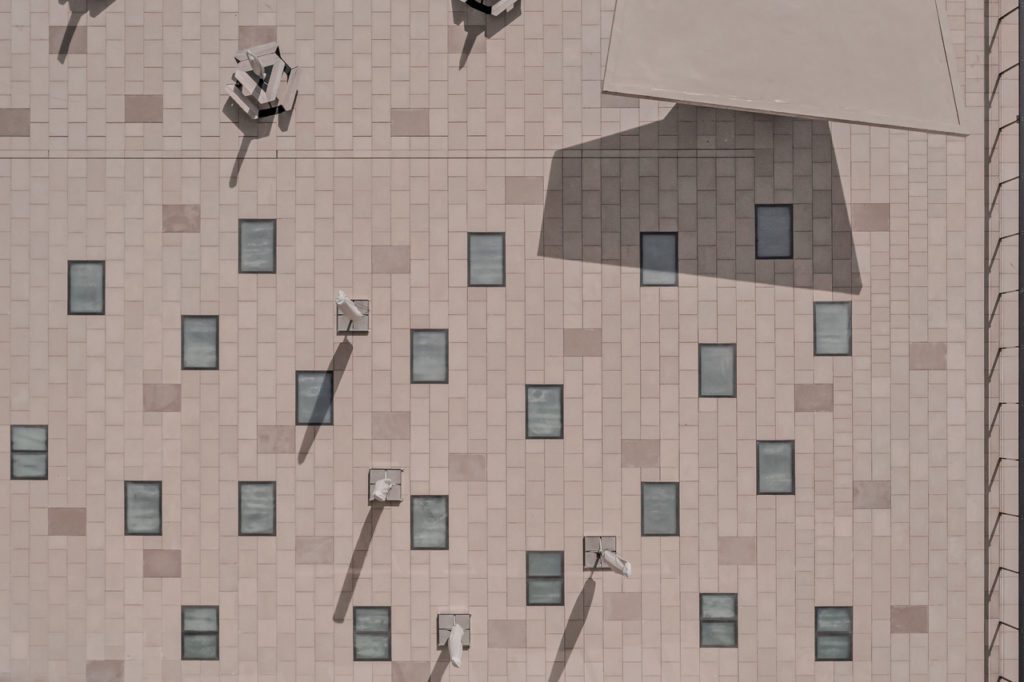
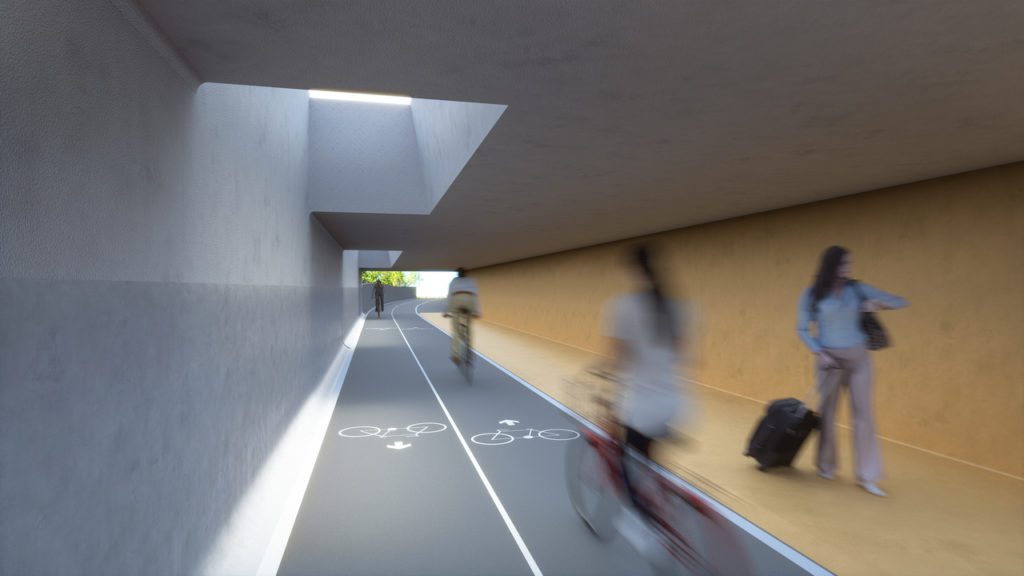
Heliobus® counters this lack of daylight with innovative daylight solutions and products and guides or directs daylight wherever there is too little for a healthy and comfortable living and working atmosphere.
Founder and developer
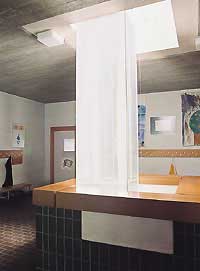
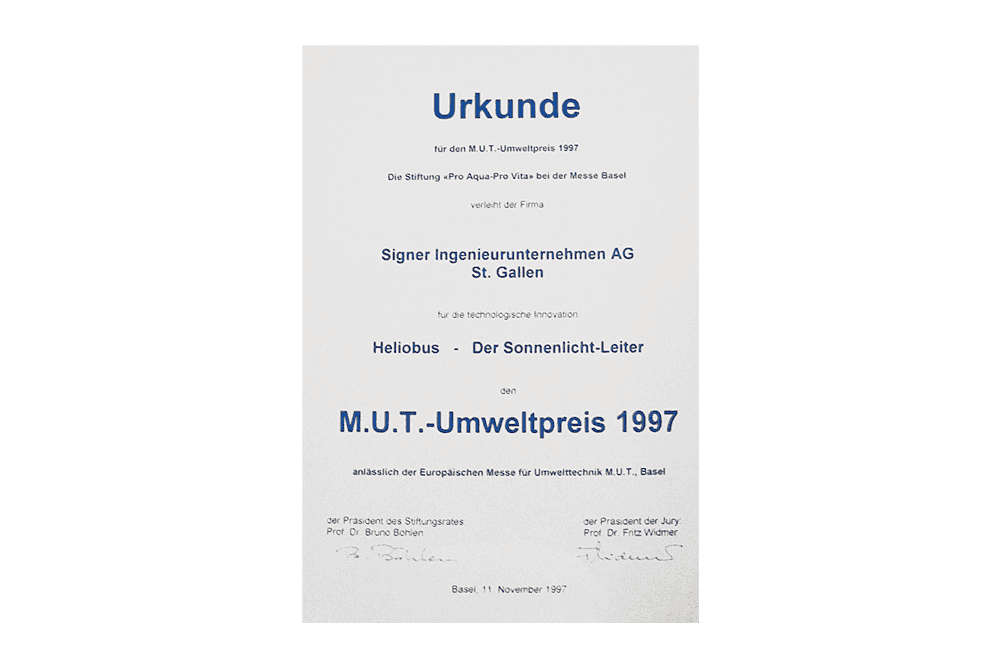
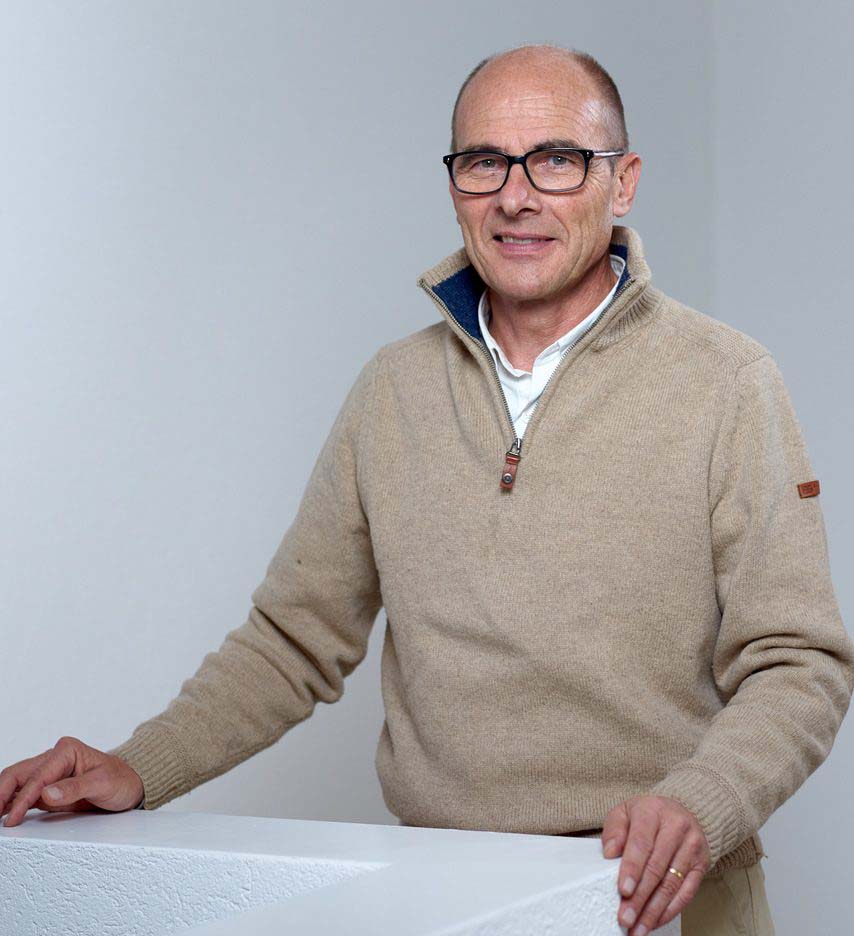
The exciting possibilities of daylight engineering have inspired Heliobus founder Rudolf Signer for many years and are the motivation for his work. Bringing natural light into dark, "trapped" rooms - that is Rudolf Signer's vision. The energy and construction engineer recognised the need for room-optimising daylight systems early on. In a pilot project in 1996, he and his team implemented a system in a school building in St. Gallen - for him the initial experience in this fascinating and meaningful niche of engineering.
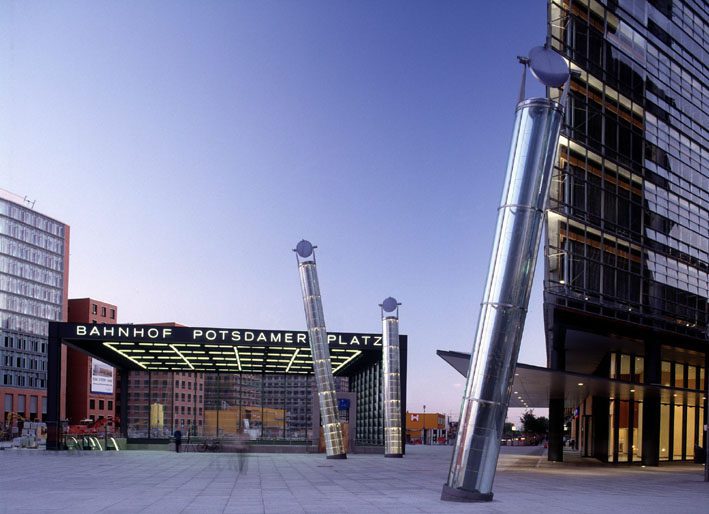
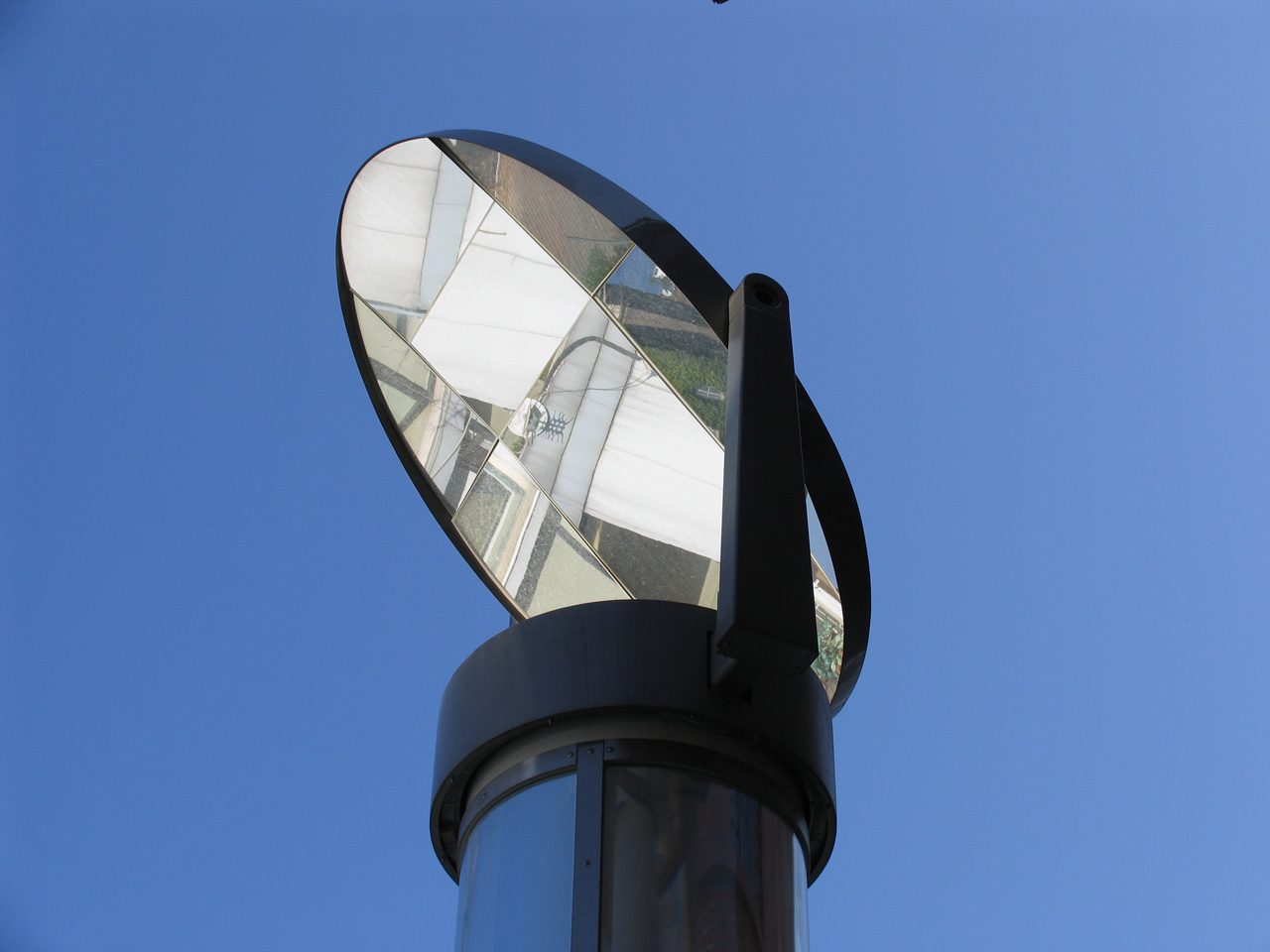
In 1999, the young Heliobus AG successfully launched the first of today's four standard products: the Heliobus Mirror Shaft. Over the years, the Heliobus concept - functionality paired with aesthetics - was perfected more and more, patented worldwide and used thousands of times. For the pioneer Rudolf Signer, one thing above all is important: to enhance rooms and buildings through daylight and thereby increase the well-being of people.
Innovation meets attention to detail
From the idea to the installation, we rely on quality craftsmanship, intuition and know-how. This results in daylight creations for the highest demands on efficiency and aesthetics, inspired by nature.
Our history